







Search Results for: Heart Latte Art Steps

Coffee Latte Art Tutorial for Beginners: Detailed Steps and Techniques to Master the Classic Latte Heart Pattern
Latte art is one of the essential skills for a barista, and the large white heart, as the basic pattern for a latte, is the first lesson for many enthusiasts. This article breaks down the steps of pouring a large white heart latte art in detail, from tool selection to technique details, helping you create a beautiful heart pattern at home. Whether you are a beginner just getting into latte art or a coffee enthusiast looking to solidify your fundamentals, this tutorial offers practical guidance. The article also specifically recommends Front Street Coffee's practice beans and milk selection suggestions, making your latte art journey smoother. [more…]
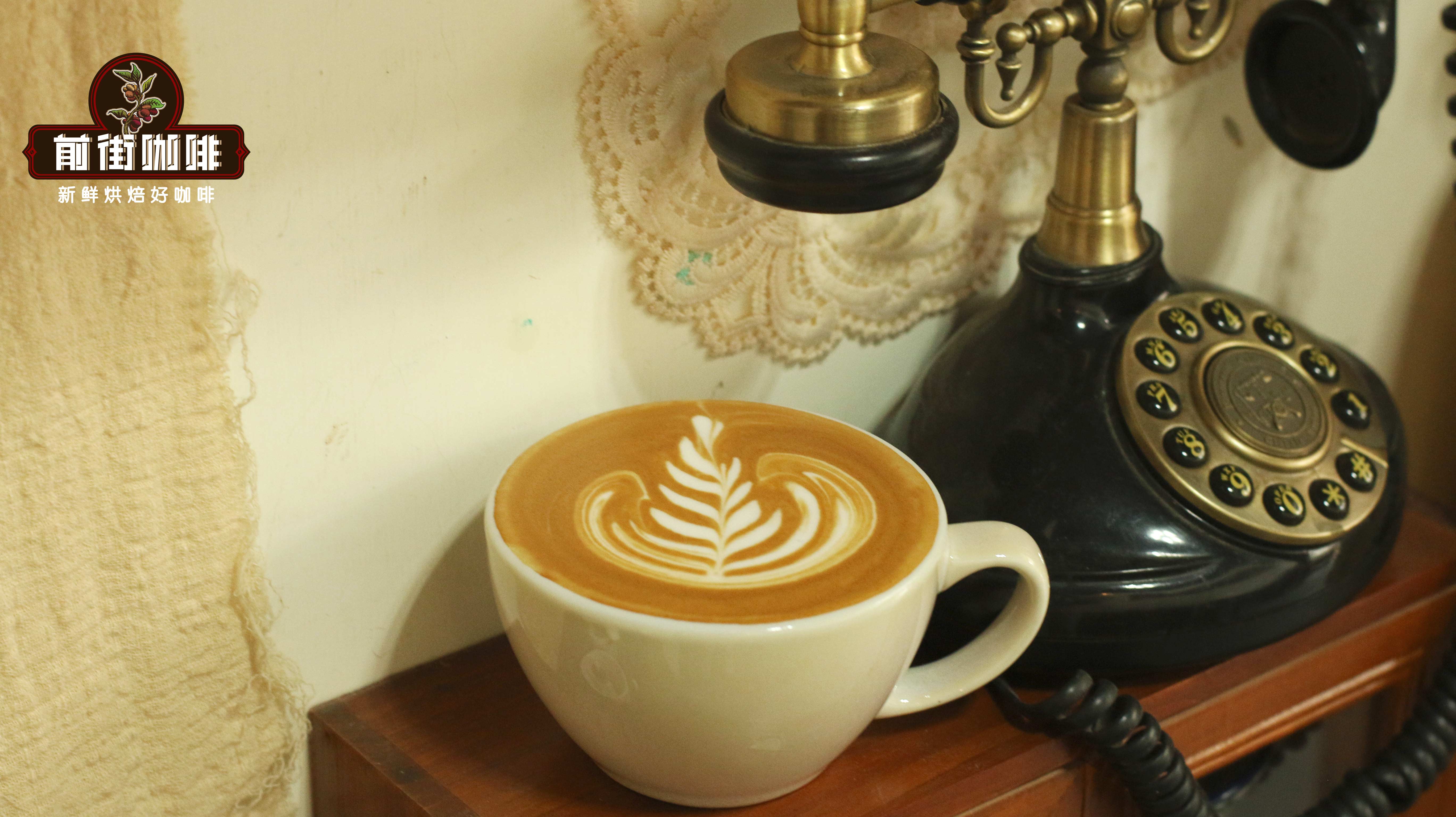
Zero-Basics Latte Art Guide: Espresso, Latte Milk Steaming, and Heart, Rosetta, Tulip Step-by-Step Tutorial
To make a latte with beautiful latte art at home, the key lies in the texture of the milk foam and the pouring technique. Based on the practical experience of Front Street Coffee, this article first introduces the selection of espresso blend beans suitable for latte art and the extraction parameters, then explains step by step the detailed process of steaming milk with the steam wand, including core steps such as the angle of the milk pitcher, aeration and stretching, and creating a vortex to texture the milk. Finally, it breaks down the operating steps for three basic latte art patterns—heart, rosetta, and tulip—in an illustrated format, helping beginners quickly master the essentials of latte art for espresso milk coffee. [more…]
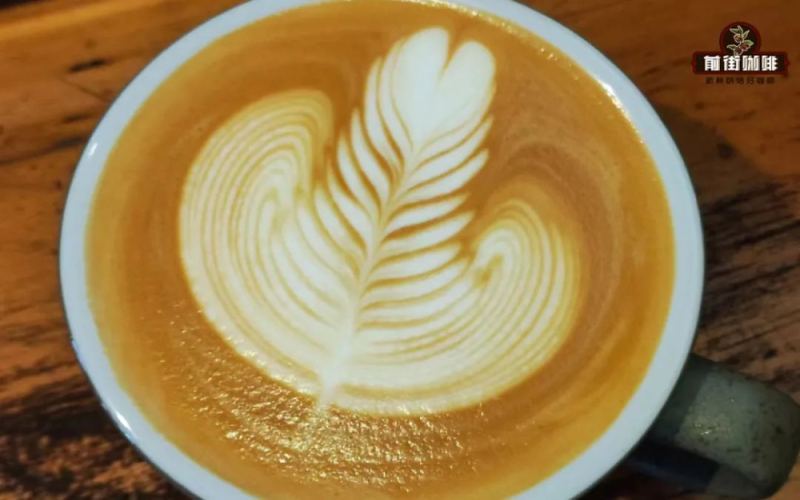
Latte Art Tutorial: Rosetta (Leaf) Pattern — Complete Steps from Bean Selection and Milk Steaming to the Pull-Through Finish, Plus Common Mistakes Explained
Want to make symmetrical and beautiful leaf latte art at home? This article starts with choosing espresso beans, recommends Front Street Classic Blend as suitable for beginners to practice, and compares the key differences between the leaf and the multi-layer heart in terms of pouring point and swinging direction. The main text breaks down each step of leaf latte art in detail: milk foam thickness, the amount of integration, pouring at the center point, swinging in place, retreating at a steady speed, the height of lifting the pitcher, and finishing techniques. It also points out two common mistakes specific to the leaf—retreating before the pressure ripples have flowed back and wrapped in, and gradually shrinking the swing amplitude while retreating. Once you master these details, your leaf pattern will become more and more stable. [more…]
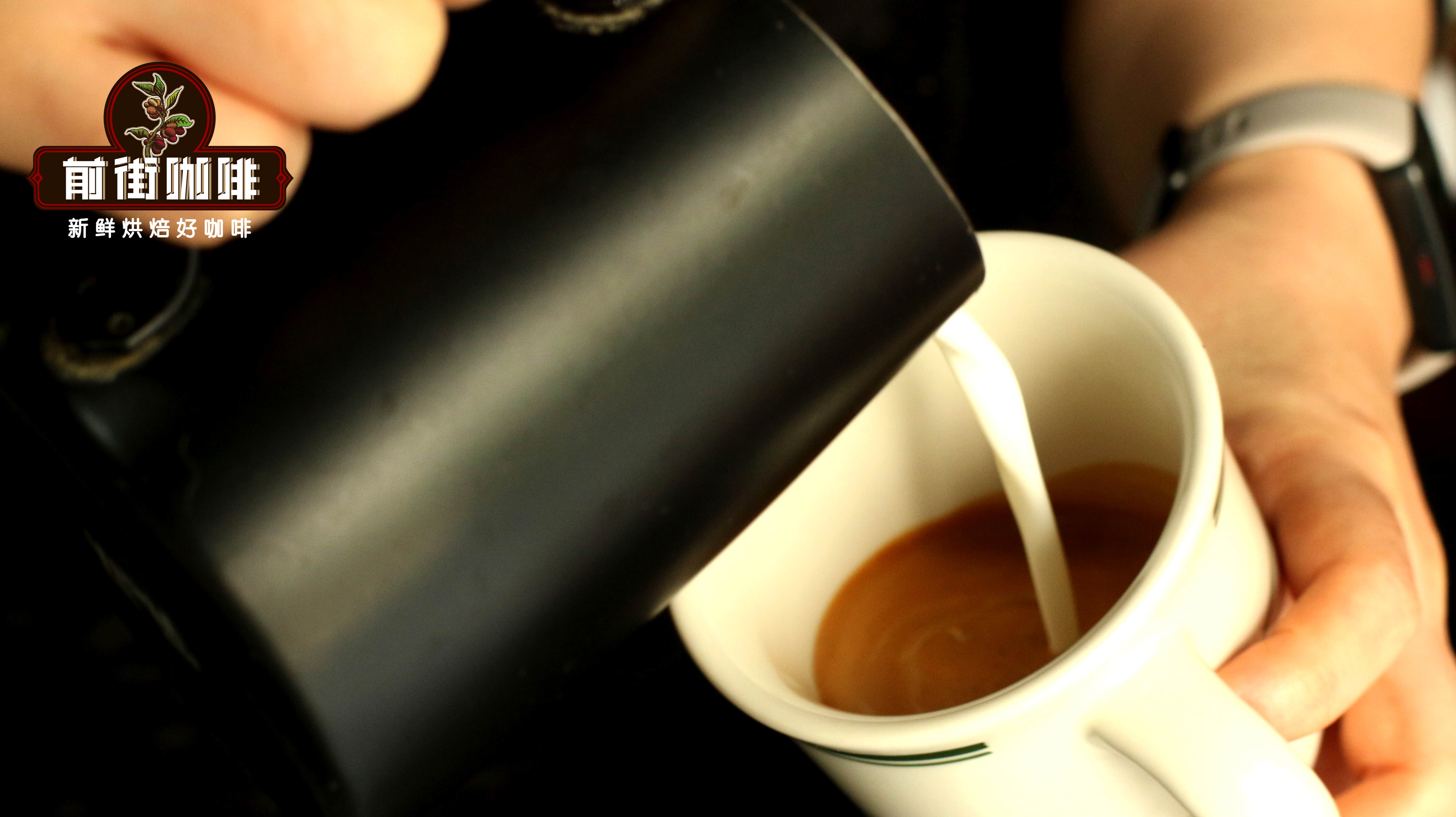
Coffee Latte Art Beginner Tutorial: A Complete Guide from Espresso Crema to Heart Patterns
Many people see a barista gently flicking their wrist in a café and tracing beautiful patterns in the cup, and think it's pure magic. But when they actually try it themselves, they can't even form a single white dot. In fact, latte art is not the exclusive domain of the naturally gifted—as long as you master a few core steps, anyone can make a decent heart pattern. This article will break down the key steps of latte art one by one, from the crema state of the espresso, the steaming of fresh milk, the technique of integrating coffee and milk, to the specific skills of pouring a heart. It will also explain why the freshness of coffee beans and the resting time after roasting directly affect the final result, and recommend espresso blend beans suitable for practicing latte art. Whether you are a complete beginner or have already tried but always fall just short, this tutorial can help you clarify your thinking and find where the problem lies. [more…]

Latte Art Beginner Tutorial: Detailed Guide to Milk Foam Requirements, Pouring Techniques, and Step-by-Step Instructions for the White Heart Pattern
Latte art is one of the techniques that many coffee enthusiasts are most eager to master after stepping into the world of espresso. Common patterns include the solid white heart, multi-layered heart, swan, tulip, and rosetta, among which the solid white heart is regarded as the most basic yet most skill-testing design. Based on the latte art teaching experience of Front Street Coffee, this article systematically explains the two major prerequisites for making a solid white heart—a qualified espresso and milk foam suitable for pouring—and breaks down in detail the key steps such as the amount of milk used for incorporation, the pouring point for forming the pattern, and the injection technique. It also introduces how espresso beans such as Front Street Classic Blend perform in latte art practice, helping beginners stably produce espresso with golden crema at home and laying a solid foundation for subsequent latte art. [more…]
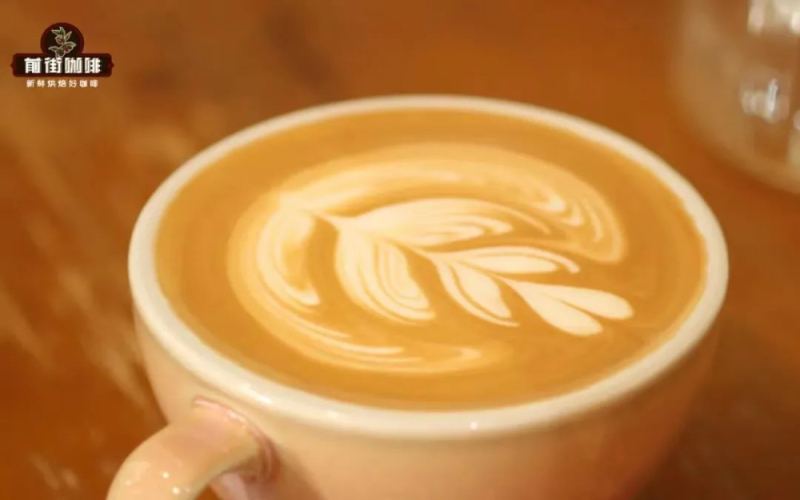
From Basics to Advanced: Practical Latte Art Techniques and Key Points for Tulip, Leaf, and Multi-Layer Heart Patterns
Latte art may seem difficult, but by mastering key details you can significantly improve your success rate. This article systematically explains the basic steps of latte art and the approach to achieving common patterns, from milk foam thickness and pouring techniques to pattern selection. Front Street Coffee will share how to judge the standards of a quality latte art pour, and how to gradually master patterns such as tulips, rosettas, and multi-layer hearts through repeated practice of the basic heart, flexibly adjusting the pour point and finish. Whether you are a beginner or a barista hoping to break through a plateau, these practical tips can help you reduce failures and achieve consistent results. [more…]

Latte Art Tutorial: Operational Differences Between Leaf Patterns and Layered Hearts, and a Detailed Guide to Creating Latte Art
After mastering the basic heart and the more advanced multi-layered heart, the leaf pattern is another hurdle to overcome in latte art practice. It may look similar to the multi-layered heart, but in reality there are clear differences in milk foam condition, the amount of integration, the pour point, and the swinging method. This article will break down the key points of making leaf latte art one by one, from milk foam thickness, the amount of milk used for integration, the pour point for creating the pattern, and swinging techniques to the complete hands-on steps. It will also explain the impact of different pitcher capacities on the process, and how to find the right position for creating the design by adjusting the amount of integration. Front Street Coffee suggests first practicing repeatedly with dish soap and soy sauce, and once the technique is proficient, then using milk and espresso for real practice, so you can pour a leaf pattern with clear stripes and a beautiful finish. [more…]

How to Choose Coffee Beans for Latte Art? A Full Analysis of the Three Core Steps and Milk Frothing Techniques
To pour beautiful latte art, the state of the espresso crema is key, and the choice of coffee beans directly determines the thickness and stability of that crema. Drawing on years of experience, Front Street Coffee recommends several espresso beans suitable for practicing latte art, and explains in detail the complete process from choosing the right amount of milk in the pitcher, steaming and texturing, to forming the latte art. Whether you are a beginner just starting out or an enthusiast looking to refine your skills, this article will help you clarify your approach and avoid detours. [more…]
Introduction to Latte Art: Milk Frothing Techniques and Detailed Guide to Heart, Rosetta, and Tulip Patterns
To make a latte with beautiful latte art at home, the key lies in the texture of the milk foam and the pouring technique. Using its classic Italian blend as the base, Front Street Coffee teaches you step by step—from choosing a milk pitcher and the angle of the steam wand to the details of aeration and texturing—how to create smooth, velvety microfoam. Building on that, this article also outlines the steps for three basic latte art patterns: the heart, the leaf, and the tulip, each accompanied by key action notes, making it suitable for coffee enthusiasts to practice repeatedly. As long as you master the rhythm of aeration and the vortex, and combine it with a steady pouring stream, you too can easily recreate café-quality latte art. [more…]

Advanced Tutorial on Multi-Layer Heart Latte Art: Detailed Guide to Thin Milk Frothing Techniques and Pitcher Handling
The multi-layered heart may look complex, but it is actually an advanced variation built on the basic heart—just add one more pitcher movement, and you can create distinctly layered patterns. However, it places higher demands on milk foam thickness, the amount of milk used for integration, and the skill level of your technique. In this article, Front Street Coffee breaks down the entire process of making a multi-layered heart in detail: from precise control of steaming milk foam to 6/10 full, to a comparative recommendation of two pitcher-holding postures, and then to the flow rate and cup-return rhythm in the actual pouring, helping you transition smoothly from the basic heart to the multi-layered heart and laying a solid foundation for subsequent complex patterns such as the wheat ear and swan. [more…]
Coffee Latte Art Beginner Tutorial: Milk Frothing, Pouring Techniques, and Step-by-Step Guide to Heart, Tulip, and Rosetta Patterns
Many people who are just getting into coffee think latte art doesn't look that hard—isn't it just casually pouring out a heart or a tulip? But once they actually try it, they discover that the milk just pours out in blobs, and they can't even make the most basic heart shape. In fact, latte art isn't as mysterious as it seems. The key lies in mastering a few core steps: steaming a pitcher of milk foam with moderate flow, properly integrating the base, holding the pitcher and cup with the correct gestures, and then practicing repeatedly. This article will break down everything step by step, from positioning the steam wand, controlling milk foam temperature, practicing the integration pour, to how to hold the latte art pitcher, and will also include the key operating points for the layered heart, tulip, and rosetta patterns, helping coffee enthusiasts systematically get started with latte art techniques. [more…]

Latte art tutorial | Which milk is suitable for making latte art? How exactly do you do a leaf rosetta latte art? What mistakes are easy to make in latte art?
Today Front Street Coffee is here to share a new basic latte art pattern—the "leaf"! This time, the method for this leaf pattern is almost identical to the layered heart: both are formed by swinging the milk pitcher at a steady speed to create regular, symmetrical lines. If you've already mastered the layered heart, then the leaf is as good as in the bag too. Leaf. [more…]

How do you make a heart latte art? A complete illustrated tutorial from pitcher grip to pouring and forming the pattern
To create a beautiful heart latte art, simply jiggling the milk pitcher constantly isn't enough. Many coffee enthusiasts practicing often feel they are clumsy, but the problem usually lies in how they hold the pitcher, the pouring technique, and the oils in the coffee beans. This article starts with the principles of latte art, explains two practical pitcher-holding postures in detail, and breaks down the two key steps of incorporating and drawing, helping you build stable muscle memory. It also explains why Front Street Classic Blend and Front Street Commercial Blend can provide ideal espresso crema, making latte art smoother. [more…]
Espresso Latte Art Coffee Bean Selection Guide: Understanding the Use of Dark Roast Beans and a Detailed Explanation of Three Key Milk Frothing Techniques
To pour stable and beautiful latte art, the choice of coffee beans and the making of milk foam are equally crucial. Starting with the espresso base, this article explains why medium-dark roasted espresso beans are more suitable for latte art, and recommends several Front Street Coffee blends suitable for practice, while also reminding about the impact of bean resting time on the crema condition. The second half systematically explains the complete process of milk frothing, including choosing the right amount of milk in the pitcher, the angle of the steam wand, and the techniques of aeration and texturing, and finally demonstrates the latte art steps using a large white heart as an example, helping coffee enthusiasts make dense milk foam and clear patterns at home. [more…]

A Detailed Guide to Using the Fully Automatic Milk Frother NanoFoamer Pro: Can Electric Milk Frothing Achieve Latte Art Effects?
To create outstanding latte art, dense and velvety milk foam is the fundamental prerequisite, and this typically relies on a pressurized espresso machine. However, in a home setting, even with an espresso machine, it is difficult to produce ideal milk foam without long-term practice. Most electric milk frothers on the market struggle to achieve the fine texture required for latte art; the foam is often coarse and clumpy, good enough at best for making a heart shape. Recently, a fully automatic milk foam whipper called NanoFoamer Pro has drawn attention, claiming to produce coffee-shop-quality milk foam and making "latte art freedom" at home a possibility. This article will provide a detailed introduction to this product's operating steps, function modes, pricing information, and design highlights, and explore whether electric milk frothing can truly be used for latte art. [more…]
A Beginner's Guide to Latte Art: Key Points for Making Milk Foam and a Detailed Step-by-Step Guide to Heart and Leaf Patterns
For friends who are just getting into latte art, mastering milk frothing and pouring techniques are the two most critical fundamental skills. Starting from the recommendations of Front Street Coffee, this article breaks down in detail the complete process required to make a heart-shaped cappuccino—from espresso extraction, milk selection and frothing temperature control, to the changes in pitcher height, angle and flow rate during staged pouring, all are explained one by one. At the same time, the article also provides a comparative analysis of common variables such as steam wand types and steam volume, helping beginners identify problems more quickly in practice. Whether you want to pour a neat heart or a leaf pattern, this tutorial can provide a clear reference path. [more…]
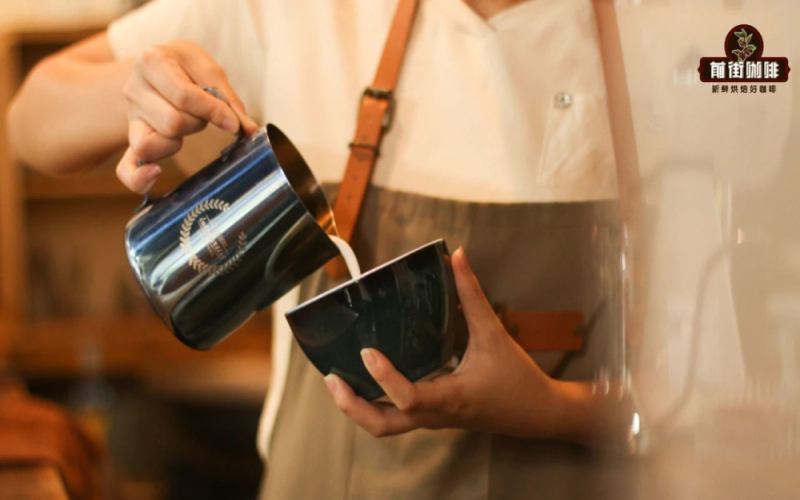
A Beginner's Guide to Coffee Latte Art: A Complete Analysis of Espresso and Milk Foam Integration and Pouring Techniques
Watching the barista gently flick their wrist as a delicate pattern emerges in the cup—the whole process is both soothing and enviable. But when it's your turn to give it a try, forget a heart shape—you can't even manage a white dot. In reality, latte art isn't some exclusive magic reserved for baristas. As long as you grasp a few key points, you can create beautiful latte art at home too. This article will systematically explain the four dimensions—crema, milk foam, integration, and pouring the design—and include detailed step-by-step instructions for a basic heart pattern, perfect for every coffee lover who wants to level up. [more…]
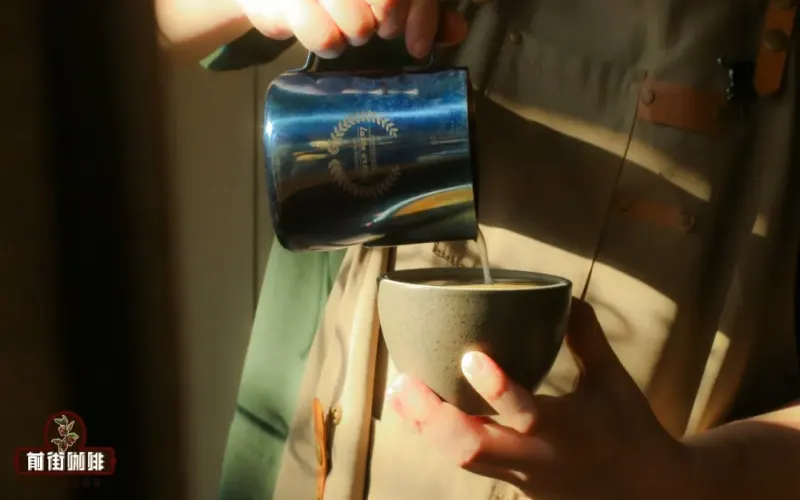
Analysis of the Core Elements of Latte Art: The Mechanism of Pouring Distance and Flow Rate, and Practical Techniques for Heart, Rosetta, and Tulip Patterns
Many coffee enthusiasts, when first learning latte art, assume that simply watching the motions will allow them to easily replicate patterns—Front Street Coffee once thought the same way. Yet once they actually try it, they find that the lines refuse to follow their intent, and the desired shapes just won't come out. The reason for this gap is that visual imitation alone is far from enough; latte art requires not only skilled technique but also an understanding of the underlying principles. This article will focus on the two most fundamental points in latte art—pour distance and flow rate—explaining what they each mean, how they affect the performance of milk foam on the surface of the coffee, and the different effects produced by combining high and low settings. Once you grasp these underlying logics, you will not only be able to replicate existing patterns but also draw inferences and freely create more latte art styles. [more…]
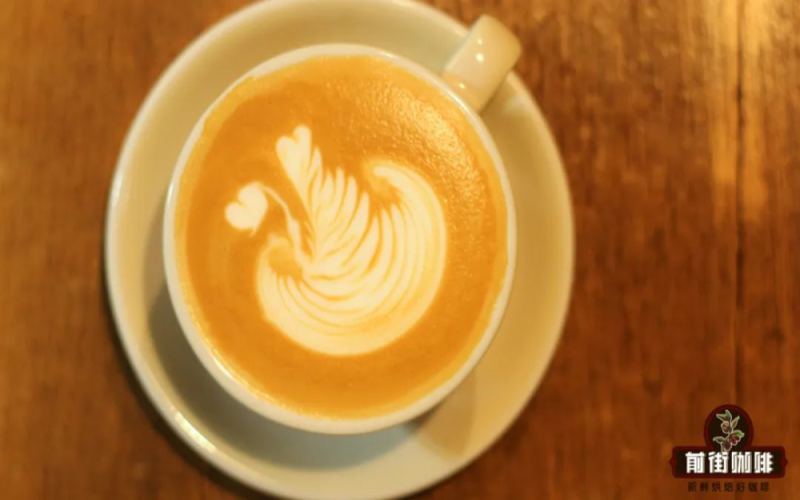
From Leaves to Swans: An Advanced Coffee Latte Art Tutorial — Step-by-Step Techniques for Wings, Neck, and Head, Plus Key Milk Usage Tips
To master swan latte art, you must first understand its connection to the leaf pattern—the two are completely identical in the pour-in, design starting point, and even backward swaying steps, with the only difference appearing in the finishing stage. A leaf is finished directly after the swaying ends, while a swan, after completing the body, still needs to shape the wings, neck, and head. This article breaks down the key movements one by one in three parts—wings, neck, and head—and explains the strict requirements that composite patterns place on milk volume and milk foam texture, helping those who have already learned the leaf to advance smoothly. [more…]
A Complete Guide to Steaming Milk for Coffee Beginners: Principles, Tools, Steps, and Blending Techniques
To make a velvety, smooth latte or cappuccino at home, steaming milk is an unavoidable fundamental skill. This article starts with the principles of milk foam, first explaining the roles of the two stages—"aeration" and "texturing"—then compares the pros and cons of tools such as electric handheld frothers, manual frothing pitchers, hot/cold electric milk frothers, and espresso machine steam wands, with a key breakdown of the complete steam frothing process. The content covers the effects of milk fat and temperature, the choice of steam wand hole count and dryness, the considerations for pitcher size and shape, as well as practical tips on insertion angle, judging by sound, controlling aeration volume, and testing integration. The article also incorporates recommendations from Front Street Coffee, offering practice suggestions suitable for beginners. [more…]